Common access problems for Golders Green gardeners
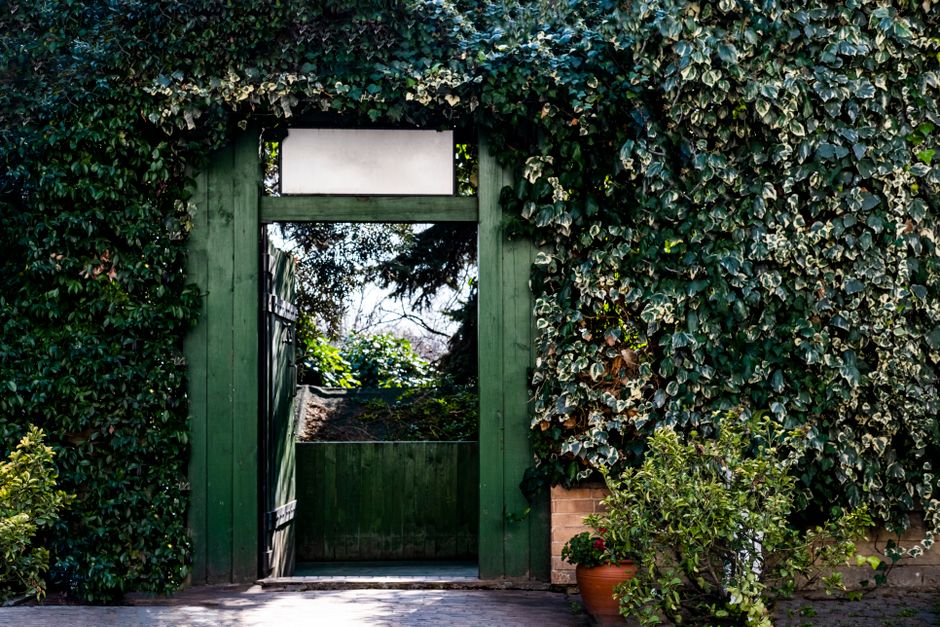
If you have ever tried to get a mower, hedge trimmer, bagged green waste, or even a simple wheelbarrow into a back garden in Golders Green, you will know the job can get awkward very quickly. Narrow side alleys, shared entrances, awkward steps, locked gates, and nowhere to park can turn an ordinary visit into a bit of a shuffle. That is why understanding common access problems for Golders Green gardeners matters before any work begins. The good news? Most access issues can be planned for. In this guide, we look at the real-world problems gardeners face in the area, why they matter, and the practical ways to reduce delays, avoid damage, and keep the work moving smoothly.
In a place like Golders Green, where homes range from compact terraces to larger family gardens, access is rarely one-size-fits-all. Truth be told, the route into the garden can matter almost as much as the garden itself.
Use the sections below to jump straight to what you need.
Why Common access problems for Golders Green gardeners Matters
Access sounds like a small detail until it stops work from starting on time. Then it becomes the detail. For gardeners, access affects safety, time, equipment choice, waste removal, neighbour relations, and the final quality of the work. If a team cannot get tools to the back garden efficiently, even basic jobs like lawn mowing or routine garden maintenance can take longer than expected.
In Golders Green, the most common access headaches usually come from one of three things: physical constraints, parking constraints, or permission constraints. A narrow passage may be the issue, but so may a shared driveway, a heavy side gate, a steep set of steps, or a front garden that cannot safely store materials while work is underway. Sometimes the issue is not even the garden itself. It is the street outside. No parking, busy roads, or limited stopping space can make loading and unloading messy and stressful.
Why does this matter so much? Because access problems often create knock-on effects. A job that should have been straightforward can end up needing extra labour, smaller tools, more trips through the house, or a different waste plan. That can affect cost, scheduling, and the overall experience. Nobody wants turf muddying a hallway or a hedge trimmer scraping past a freshly painted fence. To be fair, small gardens in busy London neighbourhoods ask a lot from the people working in them.
There is also the trust side of it. Good gardeners plan ahead. They ask about gates, steps, pets, children, parking, and storage space because it shows they are thinking about the whole job, not just the plants. If you are comparing providers, that sort of practical attention is worth noticing. A team that understands access is usually a team that handles the rest of the work with more care too. You can see that mindset in the way a proper services overview is discussed: not as a list of tasks, but as a set of jobs that need planning from the moment someone arrives.
Key takeaway: access problems are not just inconveniences. They affect safety, timing, waste removal, equipment choice, neighbour impact, and the final cost of garden work.
How Common access problems for Golders Green gardeners Works
Access planning usually starts before anyone arrives. A gardener or landscape team will often ask for a description of the route into the garden, the width of any side passage, the number of steps, the type of gate, and whether there is a separate rear entrance. Photos are extremely useful here, especially if the access route is tight or awkward. A quick picture taken in daylight can save a lot of guesswork later.
At its simplest, the process looks like this:
- The client describes the access route and any obvious barriers.
- The gardener checks whether standard tools and waste removal methods will fit.
- If needed, the team changes the method, staffing, or schedule.
- The work is carried out with extra care around doors, walls, paving, and shared areas.
- Waste is collected and moved out in a way that avoids blocking the route for longer than necessary.
Some access problems are easy to solve. A temporary unlock of a side gate, for example, or clearing a few pots from a narrow path can make a huge difference. Others need more thoughtful planning. If a garden is only reachable through the house, the gardener may need dust sheets, protective covers, and more time to move equipment. If there is no good parking nearby, then arrival time and unloading method matter more than usual.
For larger jobs, access influences the whole approach. A project involving garden clearance, for example, may require repeated removal of waste. If the route is tight, the team may need smaller loads, more trips, or a different sorting system. The same is true for heavier work such as tree lopping and removal, where branches, trunks, and arisings can be bulky and awkward to manoeuvre.
There is no mystery to it, really. Good access management is mostly good logistics. But because gardens are lived-in spaces, the human side matters too. People are at home. Neighbours are close by. Pets wander out. A child opens a door. Small things happen. A careful plan leaves room for that reality.
Key Benefits and Practical Advantages
When access is properly thought through, the work tends to run more calmly. That alone is a benefit. But there are several practical advantages worth spelling out.
- Less disruption: fewer trips through the house, less noise from repeated carrying, and less mess in shared areas.
- Lower risk of damage: proper planning reduces scuffed walls, broken pots, dented gates, or torn turf.
- Better timekeeping: gardeners can work more efficiently when they know what to expect.
- Safer working conditions: tools, waste, and ladders can be moved without squeezing through unsafe gaps.
- More accurate pricing: quotes are easier to trust when access has been discussed in advance.
- Better results: the team can focus on the garden rather than wrestling with a bad route in and out.
There is another benefit that is easy to miss. Access planning often reveals what type of service will actually suit the space. A cramped rear garden may be fine for routine mowing, but not ideal for moving large quantities of waste in one go. Likewise, a garden with awkward levels might benefit from some careful landscaping rather than repeated short-term fixes. Sometimes the access problem points to a bigger improvement opportunity.
And then there is the neighbour factor. In dense streets, especially where gardens are closely packed, people notice movement, noise, and waste bags going past. A tidy, planned approach keeps things calmer all round. It sounds simple because it is simple. The hard part is remembering to ask the right questions before the work begins.
Who This Is For and When It Makes Sense
This advice is relevant to homeowners, landlords, letting agents, property managers, and anyone arranging regular or one-off garden work in Golders Green. If you have a straightforward front garden with plenty of space, you may not need much planning. But if any of the following sound familiar, access deserves attention:
- your garden is only reachable through the house
- the side passage is narrow or cluttered
- there are steps, slopes, or uneven paving
- the gate is low, heavy, or difficult to open fully
- parking nearby is limited or unpredictable
- you share access with neighbours or another property
- there are large hedges, trees, or waste piles to move
- you want regular visits for upkeep rather than a one-off tidy
It also makes sense to think about access before bigger seasonal jobs. Spring clear-outs, summer hedge work, and autumn leaf removal all become more difficult when access is cramped. The first time the bins are full and the path is blocked, you feel it. Fast.
For some people, the issue is less about one single job and more about long-term routine. If a garden is hard to reach, then even simple ongoing work can be delayed, and once that happens the space becomes harder to manage. Routine care through garden maintenance or more regular visits can help prevent that build-up, but only if the access route works well enough for the team to come and go sensibly.
Step-by-Step Guidance
If you are preparing for garden work and suspect access could be awkward, use this straightforward approach.
1. Walk the route like a gardener would
Start at the street and physically walk the route into the garden. Measure the narrowest point if you can. Check gate width, step height, slopes, surface condition, and whether there are bends that make carrying long tools difficult. It sounds obvious, but people often only notice the awkward bits when they are already holding a bag of compost or a long rake.
2. Identify what needs to get in and out
List the equipment and materials likely to be used. A simple mow may only need a mower and collection bags. A hedge job may need ladders, trimmers, fuel, and waste sacks. A clearance job may need extra time and a plan for bulky debris. The route has to suit the work, not just the person doing it.
3. Check parking and unloading
Ask where a vehicle can stop safely and legally. If parking is distant, allow extra time for unloading and collection. In Golders Green, that small issue can make a noticeable difference to the pace of the day. Better to know beforehand than to discover it with a van full of gear and nowhere to pause.
4. Remove avoidable obstacles
Move plant pots, bikes, bins, toys, and garden furniture out of the route if they would get in the way. Lock pets indoors. If a gate sticks, oil it. If a latch is awkward, fix it or explain it in advance. These are tiny things, but they help a lot.
5. Share photos and practical notes
Photos are often the quickest way to explain a route. A picture of the side passage, the rear gate, and the garden entrance usually says more than a paragraph of description. If there is a particular pinch point, point it out. If the best access is through the kitchen, say so clearly. Everyone saves time.
6. Agree the method before work starts
Once the access route is understood, decide how the work will be carried out. Will waste be bagged in smaller loads? Will larger items need to be cut down first? Is there enough room to stack branches temporarily? For bigger tasks like hedge trimming or structural changes through landscape gardening, method matters a lot.
7. Keep the route clear during the job
During the work itself, try not to let the access route become a dumping ground. Keep tools to one side, keep doors open only when needed, and move waste out regularly. It is a small bit of discipline that prevents a much bigger mess later.
Expert Tips for Better Results
Here is the short version: the best access solutions are the boring ones. The ones that are agreed in advance, repeated calmly, and not left to chance.
A few practical tips make a real difference:
- Send photos from both directions. One from the garden looking out, and one from the street looking in. That gives a better sense of space than one angle alone.
- Measure with something familiar. A tape measure is best, but even a known object can help judge width.
- Think about weather. A route that is fine on a dry day can become slippery in rain. London weather has a sense of humour, doesn't it?
- Plan for waste early. If there is a lot of cut material, the route out matters as much as the route in.
- Be honest about limitations. If the gate only opens halfway, say so. If a dog tends to run out, mention that too.
Another useful habit is to ask whether the garden will need more than one type of service. For example, a property may need mowing now, but later it may need a bigger tidy, edging, or even some updated paving and structure through decking services. If access is tight, it is worth planning any future improvements with the access route in mind, not after the fact.
Finally, pay attention to the small noises and signals on site. A gate scraping, a wheel catching on a threshold, or a bag snagging on a fence panel tells you something. Good teams adjust quickly. That kind of sensitivity is a real skill, even if it looks ordinary from the outside.
Common Mistakes to Avoid
Most access problems are manageable. The bigger issues usually come from avoidable mistakes.
- Assuming the team will "figure it out". They might, but that is not the same as planning well.
- Forgetting about waste on the way out. A route that works for a person may not work for a full bag of clippings.
- Leaving the access path cluttered. Bikes, boxes, and bags can turn a narrow route into a hazard.
- Ignoring locked gates or missing keys. This one causes more delays than people expect.
- Not mentioning height issues. Low beams, canopies, and awkward archways matter for taller tools.
- Booking a larger job without checking parking first. The street can be the hidden bottleneck.
Another common mistake is underestimating how tiring repeated carrying can be. One trip is nothing. Ten trips is different. By the time you get to the ninth bag of clippings, your shoulders will tell the story. That is why a good access plan can be as important as the tools themselves.
Tools, Resources and Recommendations
You do not need specialist equipment to manage access well, but a few simple items help a lot.
- Tape measure: useful for gate widths, passage widths, and step heights.
- Phone camera: clear photos of access points save time.
- Notepad or notes app: record gate codes, parking details, and any fragile areas.
- Temporary floor protection: helpful when equipment must pass through the house.
- Basic clearing tools: a broom, dustpan, and garden bags make it easier to keep routes tidy.
If you are arranging more than one type of work, it helps to look at the full range of services first so access can be planned once, properly. A broad services overview can help you think about whether the job is routine, seasonal, or part of a bigger change. Sometimes a small access issue today becomes a design question tomorrow.
It is also sensible to think about the trust and safety side of the job. If you are letting contractors on to your property, you want to know they have decent working practices and sensible procedures. Pages such as health and safety policy, insurance and safety, and payment and security help show how a company thinks about the wider job, not just the visible work in the garden.
That is the kind of background detail that makes a real difference when you are inviting someone onto a property with tight access and limited room to manoeuvre.
Law, Compliance, Standards, or Best Practice
For most domestic garden work, access is more about sensible working practice than complicated legal rules. Still, there are a few important principles worth keeping in mind.
First, safe access and safe movement on site matter. A gardener should avoid forcing equipment through routes that are clearly unsuitable, and they should not block exits or create trip hazards. If ladders, cutting equipment, or heavy waste are involved, extra care is needed. That is basic best practice, but it is also the right thing to do.
Second, if a property is shared, then courtesy and communication matter. Shared paths, common entrances, and neighbour boundaries need a little diplomacy. Nobody likes a surprise pile of hedge cuttings in a shared access lane. A brief conversation in advance can prevent a lot of irritation later.
Third, any team working on site should be clear about its own procedures and responsibilities. If you are comparing providers, it is reasonable to check that they have clear public information on areas such as about us, terms and conditions, and complaints procedure. That does not mean every project needs a formal process. It simply means professionalism is usually visible before the first cut is made.
Finally, accessibility should be respected. If a client or resident needs a different approach because of mobility, step access, or limited space, the work should be adapted where possible. The aim is not to make life harder for anyone. It is to complete the garden job without creating avoidable barriers.
Options, Methods, or Comparison Table
There is more than one way to handle tricky access. The right method depends on the space, the type of work, and how much material needs moving. Here is a simple comparison to help you think it through.
| Access method | Best for | Pros | Trade-offs |
|---|---|---|---|
| Standard walk-through access | Routine visits, mowing, light tidying | Fast, simple, low disruption | Not suitable where the route is narrow or cluttered |
| Side passage access | Most domestic gardens with a separate route | Keeps work away from the house interior | Can be tight for larger tools or waste |
| Through-the-house access | Properties without an external route | Works when no other option exists | Needs protection, care, and more time |
| Staged waste removal | Clearance jobs and bigger cutbacks | Reduces bottlenecks and overloading | Takes longer and needs better coordination |
| Small-equipment approach | Very tight gardens or delicate routes | Less risk of damage, more manoeuvrable | Can be slower on larger jobs |
In practice, a mix of methods is common. For example, a gardener might use a side path for tools, a front entrance for waste bags, and a staged approach for bulky branches. That sort of flexibility is normal. It is not overthinking; it is just good site management.
If a garden is especially difficult to reach, it may also be worth considering whether the work should be broken into smaller visits. A one-off burst is not always the best answer. Sometimes two calmer visits are better than one frantic one. Nobody needs heroic gardening.
Case Study or Real-World Example
Here is a realistic example based on the kind of situation many Golders Green households face.
A homeowner wants a front-to-back garden tidy after several months of growth. The rear garden is fine once you are in it, but the access route is narrow, the side gate is heavy, and there is a row of bins partially blocking the path. The street outside is busy, so stopping space is limited. On paper, nothing looks impossible. In reality, it is a bit fiddly.
Instead of turning up and hoping for the best, the gardener asks for photos of the route, a note about parking, and confirmation that the gate can be opened fully. The homeowner clears the bins, moves a couple of bicycles, and leaves the gate unlocked. The team brings slightly smaller tools, plans the loading order for waste, and protects the interior threshold because one section of the route passes briefly through the kitchen side door.
The result? The work gets done without damage, delays are limited, and the client does not spend the afternoon worrying about muddy footprints or blocked exits. Simple, yes. But only because the awkward bits were handled early. That is usually how it goes.
For a more involved garden, the same principle applies to bigger services such as garden clearance or structural improvements. Once the access route is known, the whole job becomes easier to plan, from labour time to waste handling. It is rarely the plants that slow things down. It is the path to them.
Practical Checklist
Use this checklist before any garden visit or quote where access might be tricky.
- Have I checked how the garden is reached?
- Are there any narrow gates, steps, or low barriers?
- Do I know where parking or unloading can happen?
- Are all bins, bikes, pots, and tools out of the route?
- Do I have clear photos of the access points?
- Have I mentioned pets, children, or shared entrances?
- Does the work involve heavy waste or large tools?
- Will any part of the route pass through the house?
- Do I need to protect floors, doors, or walls?
- Have I agreed the plan with the gardener before the visit?
If you can tick most of those off, you are in decent shape. If not, take ten minutes and sort the basics. It usually pays you back straight away.
Conclusion
Common access problems for Golders Green gardeners are not unusual, and they are certainly not a reason to panic. They are part of the practical reality of working in a busy London area where homes, streets, and garden layouts vary a lot. The best results come from clear communication, simple preparation, and a realistic view of what the route in and out can handle.
Whether the task is a quick tidy, regular upkeep, or a more involved clearance, access planning protects the property, saves time, and reduces stress. And really, that is what people want from garden work: a calm visit, a tidy finish, and no surprises lurking by the back gate.
If you are comparing services, asking about access up front is one of the smartest things you can do. It tells you a lot about how the work will be handled, and it helps the whole job feel more organised from the start.
Get a free quote today and see how much you can save.
Sometimes the smallest route makes the biggest difference. A clear path in, and a clear path out - that is often the whole game.
Frequently Asked Questions
What are the most common access problems for gardeners in Golders Green?
The most common issues are narrow side passages, shared gates, steps, poor parking, and garden entrances that are hard to reach with larger tools or waste bags.
Why does access matter so much for garden maintenance?
Access affects safety, speed, equipment choice, waste removal, and the risk of damage. A difficult route can turn a simple job into a slower and more expensive one.
Should I send photos of my garden access before booking?
Yes, photos are extremely helpful. They show widths, steps, gate position, and any clutter more clearly than a verbal description usually can.
Can a gardener work if the only access is through the house?
Often, yes. It just requires more care, possibly floor protection, and a little more time. It is workable in many homes, though not always ideal.
How do parking issues affect a gardening quote?
If parking is difficult or unloading space is limited, the job may take longer. That can influence labour time and scheduling, especially for larger projects.
What should I clear before the gardener arrives?
Move bins, toys, bikes, pots, hoses, and any other items from the route. If you can open the gate fully and keep the path tidy, that helps a lot.
Do access problems make hedge trimming more expensive?
They can, especially if ladders, larger tools, or extra waste movement are involved. The access route is one of the things that affects how much time the work needs.
Are access problems a bigger issue for garden clearance than for mowing?
Usually, yes. Clearance jobs create more waste, so the route out matters more. Mowing is often easier, but a tight access route can still slow it down.
What if my side gate is too narrow for equipment?
Let the gardener know before the visit. They may adjust the equipment, break the work into stages, or suggest a different method for moving materials.
Do I need to worry about neighbour access or shared paths?
Yes, if any part of the route is shared, it is best to plan carefully and keep everyone informed. Good communication helps avoid disputes and delays.
How can I tell if my garden access is safe enough for larger work?
Walk the route yourself and look for tight corners, slippery surfaces, uneven steps, or low obstacles. If it feels awkward for you, it will probably feel awkward for tools too.
What is the best way to prepare for a difficult access job?
Take photos, measure the narrow points, clear the route, confirm parking, and explain anything unusual in advance. A little prep goes a long way, honestly.