Golders Green station area gardeners for small yards: practical help for compact outdoor spaces
If you live near Golders Green station and your garden is more patio than park, you already know the challenge. A small yard can be charming, but it can also feel cramped, tricky to maintain, and oddly easy to neglect for a few weeks until the weeds take over. That is where Golders Green station area gardeners for small yards really earn their keep. With the right approach, a tight outdoor space can look cleaner, feel bigger, and become genuinely useful rather than just another job on the to-do list.
This guide explains how compact-garden care works, what makes small yards different, and how to get better results without wasting space, time, or money. You will also find a step-by-step process, a comparison of useful options, a real-world example, and a practical checklist you can use before hiring help.
Table of Contents
- Why Golders Green station area gardeners for small yards Matters
- How Golders Green station area gardeners for small yards Works
- Key Benefits and Practical Advantages
- Who This Is For and When It Makes Sense
- Step-by-Step Guidance
- Expert Tips for Better Results
- Common Mistakes to Avoid
- Tools, Resources and Recommendations
- Law, Compliance, Standards, or Best Practice
- Options, Methods, or Comparison Table
- Case Study or Real-World Example
- Practical Checklist
- Conclusion
- Frequently Asked Questions
Why Golders Green station area gardeners for small yards Matters
Small yards demand a different mindset. In a larger garden, you can get away with broader planting beds, a bit of visual clutter, or a lawn that looks slightly tired for a while. In a compact space, every corner is on show. One overgrown shrub, a patch of moss, or a badly placed pot can make the whole area feel neglected.
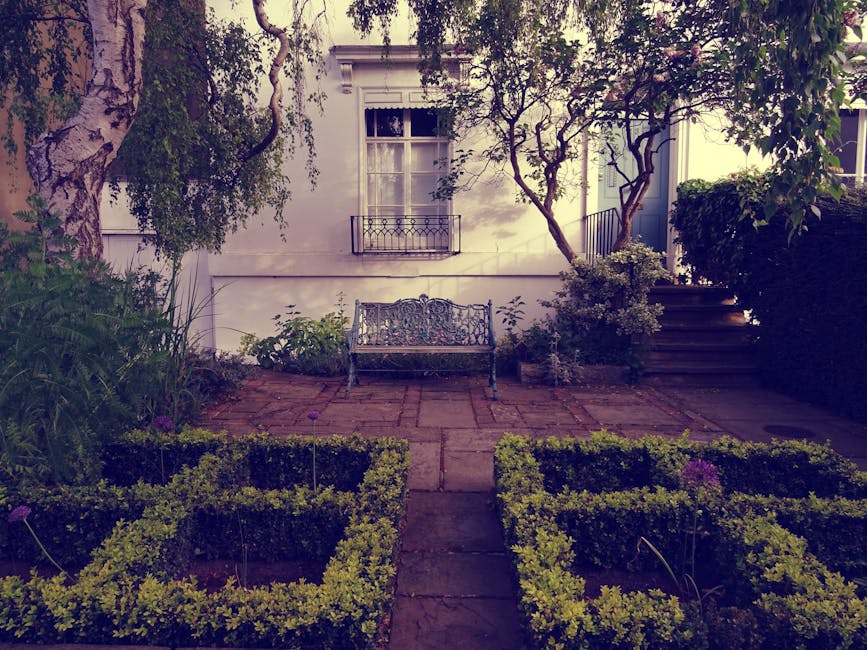
That matters even more in busy, built-up parts of London where outdoor space is precious. Around Golders Green station, many homes and flats have modest gardens, narrow side returns, courtyards, or pocket patios. These spaces do not need the same treatment as a suburban lawn. They need careful editing. Think of it as gardening with a pencil rather than a paint roller.
A good local gardener understands that small yards are about proportion, access, and flow. They know when to prune hard, when to leave something alone, and when a tidy edge or a fresh mulch layer does more visual work than a full redesign. Truth be told, the difference between "tiny and tired" and "compact and calm" is often just disciplined maintenance.
For many people, the real issue is not that the garden is difficult. It is that it becomes difficult to start. A small space can still generate a surprisingly big workload: hedge trimming, lawn edges, leaf clearance, broken plant removal, soil refresh, and seasonal planting. Without a plan, it starts to feel like a never-ending little mess. Not dramatic, just quietly annoying.
How Golders Green station area gardeners for small yards Works
Good small-yard gardening usually begins with a simple assessment. What is the space used for now? What do you want it to do? And what is getting in the way? A proper gardener will usually look at access, light levels, drainage, privacy, storage, plant health, and how much time you actually want to spend looking after it.
From there, the work tends to fall into a few practical stages:
- Clear and assess the yard so the useful structure becomes visible.
- Cut back overgrowth where plants are blocking light or crowding paths.
- Tidy hard surfaces such as paving, decking, edges, and borders.
- Reduce maintenance pressure by choosing plants and layouts that are easier to keep under control.
- Set a routine so the space stays presentable rather than slipping back within a month.
If you need a fuller service rather than a one-off tidy-up, it often helps to look at garden maintenance as a regular support option. For yards that have become cluttered, overgrown, or hard to use, garden clearance can be the quickest way to reset the space.
The best gardeners for compact spaces also work with restraint. That sounds obvious, but it is surprisingly rare. A small yard usually needs less, not more. Fewer species. Cleaner lines. Better pruning. Fewer awkward ornaments. More breathing room. You can always add detail later, but if a garden starts overloaded, it rarely feels larger.
Key Benefits and Practical Advantages
There are a few benefits that matter again and again in small yards. Some are visual, some are practical, and some are just about peace of mind.
- More usable space - A tidied layout makes it easier to sit, step out, store a bin, or simply walk through without dodging pots.
- Better light and airflow - Cutting back dense growth can brighten a yard surprisingly fast.
- Less maintenance stress - Good plant choices and proper spacing reduce the weekly burden.
- Cleaner first impressions - Small spaces show mess quickly, so regular care has a big visual payoff.
- Safer movement - Clear paths, level edges, and controlled growth reduce trip hazards and awkward access.
- Better planting success - In compact spaces, the right plant in the right spot matters a lot more than people expect.
There is also a quieter benefit: small gardens can actually become more enjoyable once they stop feeling like a compromise. A neat courtyard with a couple of well-chosen plants and a clean sitting area can feel calmer than a large garden that has been left to drift. Let's face it, not everyone wants a horticultural project on their hands every weekend.
If you are thinking about wider improvements, a gardener may suggest light structural changes too. Services such as landscaping or landscape gardening can help when the problem is not just upkeep, but the layout itself.
Who This Is For and When It Makes Sense
This kind of help is ideal if your garden is small but feels disproportionately hard work. That includes:
- homeowners with a compact rear yard
- landlords who want a tidy outdoor area between tenancies
- busy professionals who do not have time for frequent upkeep
- older residents who want manageable, safe outdoor access
- flat owners with a shared or private courtyard
- anyone preparing a property for sale or rental
It also makes sense if you have a few specific frustrations. Perhaps a hedge keeps swallowing the light. Perhaps the lawn patch is really just a small rectangle of tired grass, and mowing it feels strangely inefficient. Or perhaps you have been trying to make a miniature space do too many jobs at once. Dining area, storage zone, wildlife corner, veg patch, plant display... all in about twelve square metres. It happens.
For small yards, the right decision is often to simplify. If the garden is already functioning well, you may only need occasional help with lawn mowing, edging, or pruning. If shrubs and hedges are dominating the space, hedge trimming may deliver a bigger improvement than any planting scheme.
Step-by-Step Guidance
Here is a practical way to approach a compact yard without making expensive mistakes.
1. Decide what the space should do
Be clear on the main job. Is it somewhere to sit with a cup of tea? A safe area for children or a pet? A low-maintenance outdoor room? If you try to make a tiny yard do everything, it usually ends up doing nothing especially well.
2. Remove the clutter first
Start with what is blocking the space: broken pots, dead growth, unused furniture, old compost bags, or awkward storage items. A clean reset changes how you see the garden. Sometimes immediately. Almost annoyingly so.
3. Check light, shade, and access
Small yards often sit in the shadow of tall buildings or boundary walls. That affects plant choice and placement. It also affects where people naturally walk, dry, or sit. Good gardeners notice these patterns instead of forcing a layout that looks nice on paper but feels cramped in real life.
4. Prune for shape, not just size
Overgrown plants in a small garden should usually be pruned to improve balance and airflow, not just cut down randomly. Shape matters. A loose, healthy structure often looks better than a severe hack job. And yes, there is a difference.
5. Rebuild the edges
Tidy edges make small spaces look intentional. Clean borders, straight lines, and defined sections help the eye read the garden as organised, even if the planting is simple.
6. Choose low-fuss planting
Go for a manageable mix of evergreen structure, seasonal colour, and a few dependable container plants. Avoid overcrowding. In a small yard, one strong feature often beats six competing ideas.
7. Set a maintenance rhythm
A compact garden works best when it is maintained little and often. That may mean fortnightly visits in growing season, seasonal tidy-ups, or a rolling plan that keeps hedges, lawns, and borders under control. Regular care saves money in the long run because problems stay small.
Expert Tips for Better Results
Here are the practical touches that make a difference, especially in tighter London gardens.
- Use vertical space wisely. Trellises, climbers, and wall-mounted planters can add greenery without taking up floor area.
- Keep surfaces lighter where possible. Pale paving, clean gravel, or simple decking can reflect more light and make a yard feel less boxed in.
- Leave negative space. Empty space is not wasted space. It gives the garden room to breathe.
- Match plant scale to the yard. Large shrubs can quickly overpower a compact layout.
- Make access easy. If a gardener has to wrestle with a narrow side gate and three awkward turns to reach the back, the job becomes harder and slower. That affects the work plan, naturally.
- Use containers carefully. Pots are useful, but too many can make a yard feel fussy and crowded.
One small but useful trick: stand at the doorway or window where you see the yard most often. That is the real viewing angle. Design for that line of sight first. People rarely think about this, and then wonder why the garden looks better in one corner than it does from the house. It's a tiny shift, but a useful one.
If your yard has awkward boundaries, sloping ground, or a layout that simply does not work, you may want to explore services overview options and see whether small-scale design help would improve the result.
Common Mistakes to Avoid
Small gardens punish guesswork more quickly than larger ones. The most common mistakes are easy to make, but also easy to avoid once you know what to look for.
- Overplanting. New plants look tiny in the shop and huge two months later.
- Ignoring maintenance needs. A high-maintenance planting scheme can become a burden fast.
- Using too many materials. Too many colours, textures, or finishes can make the space feel busy and smaller.
- Letting hedges grow unchecked. In a compact yard, a hedge can steal light and make the whole area feel hemmed in.
- Forgetting drainage. Waterlogged corners are common in enclosed spaces and can damage plants, paving, and timber.
- Skipping regular pruning. Small plants become awkward quickly if they are left too long.
A lot of people also make the mistake of chasing "finish" before function. They buy decorative pieces before sorting out access, structure, or plant health. That is backwards, honestly. Get the bones right first. Then the nice bits have somewhere to belong.
Tools, Resources and Recommendations
You do not need a shed full of kit to keep a small yard in decent shape, but the right tools make work quicker and neater. For most compact gardens, the useful basics are:
- sharp secateurs for light pruning
- a hand rake for leaves and debris
- edge trimmers or a simple edging tool
- a mower suitable for a small lawn, if there is one
- gloves and sturdy footwear
- a watering can or hose with controlled flow
- container compost and mulch for feeding and surface refresh
For homeowners who prefer less hassle, professional support is often more efficient than piecemeal DIY. Regular visits can cover mowing, edging, pruning, and tidying without turning your weekends into work. If you want a broader relationship with a local team, it is worth reviewing about us to understand the approach and standards behind the service. It helps to know who is actually doing the job, not just what the job title says.
It is also sensible to ask about practical matters before work begins. For example: how access will be managed, what waste will be removed, how fragile plants will be treated, and whether the schedule fits your availability. Small yards can be sensitive. A tidy job can go wrong if it is rushed.
Law, Compliance, Standards, or Best Practice
Small-yard gardening is not heavily regulated in the way construction work is, but there are still important standards and responsibilities to keep in mind. In the UK, reputable gardeners and landscapers are generally expected to work safely, avoid unnecessary damage, manage waste responsibly, and respect property boundaries and access arrangements.
Best practice usually includes:
- using appropriate personal protective equipment
- keeping paths and access points clear during work
- handling tools safely, especially in tight spaces
- disposing of green waste properly
- being careful around shared entrances, fences, and neighbouring gardens
- confirming any tree or hedge work is suitable before starting
If the work includes trees, tall hedges, or anything close to structures, extra caution is wise. A gardener should not guess about significant tree work or leave a hedge in a state that creates a boundary dispute or safety issue. The same goes for slippery paving, exposed roots, or poor drainage. It is better to pause and assess than to barrel through and fix mistakes later.
It is also worth checking a company's approach to safety and insurance. Pages such as insurance and safety and health and safety policy show whether a provider has thought through the basics. That matters more than people admit. Nobody wants a tidy garden at the cost of a messy problem.
For waste handling and responsible disposal, look for sensible habits rather than flashy claims. If sustainability matters to you, a clear recycling approach is a good sign. Recycling and sustainability gives a useful indication of how a business thinks about green waste and materials.
Options, Methods, or Comparison Table
When you are deciding how to manage a small yard near Golders Green station, there are usually three routes. Each can work, but they suit different situations.
| Option | Best for | Pros | Trade-offs |
|---|---|---|---|
| DIY maintenance | Very small, simple yards | Low cost, full control | Easy to let slip, can be time-consuming |
| One-off tidy-up | Overgrown or neglected spaces | Quick reset, strong visual improvement | Needs follow-up to stay looking good |
| Regular professional maintenance | Busy households and ongoing upkeep | Consistent results, less stress, better long-term condition | Ongoing cost, needs scheduling |
The right choice depends on the state of the garden and the time you can realistically give it. A one-off visit can be enough if the yard is structurally sound and just needs bringing back under control. Regular maintenance tends to work best if the garden has hedges, borders, containers, or a small lawn that would otherwise deteriorate quickly.
For some properties, a mix is ideal. You might book an initial tidy-up, then switch to lighter routine care. That's often the sweet spot. Not too much. Not too little. Just enough to keep the place calm.
Case Study or Real-World Example
Here is a realistic example from the kind of work small-yard gardeners often handle. A homeowner near Golders Green station had a modest rear yard with a narrow paved area, two tired containers, an overgrown hedge along one boundary, and a patch of grass that looked more like moss with ambition. The space felt dark, slightly cluttered, and harder to use than it should have been.
The solution was straightforward rather than dramatic. The hedge was reduced and shaped to restore light. The clutter was cleared. The grass area was assessed and kept only where it was still worth maintaining. The containers were simplified into a smaller number of healthier, better-placed plants. Edges were cleaned up, and the hard surfaces were tidied so the whole yard looked sharper.
The biggest change was not any single job. It was the combination. Once the garden was less crowded, the space felt larger, brighter, and easier to enjoy. You know that feeling when a room has too much furniture and then, suddenly, it breathes again? Same idea. Not magical. Just practical.
That is the real strength of experienced Golders Green station area gardeners for small yards: they know how to edit, not just add. In a compact garden, editing is often the service that changes everything.
Practical Checklist
Use this quick checklist before you book work or start tackling the space yourself.
- Do I know the main purpose of the yard?
- Are any plants blocking light, access, or visibility?
- Is there clutter, waste, or unused furniture to remove?
- Do I need a one-off tidy-up or ongoing maintenance?
- Are the surfaces, edges, and paths safe and clear?
- Have I chosen plants that suit the amount of light available?
- Is the layout too crowded for the space?
- Do I need help with hedges, lawn care, or clearance?
- Have I considered drainage, storage, and access issues?
- Do I want a simple, low-maintenance finish rather than a high-effort design?
If you can answer most of those clearly, you are already ahead of the game. If not, that is fine too. Small gardens often improve fastest once someone slows down, assesses properly, and makes a few honest decisions.
Quick summary: the best results in a compact Golders Green yard usually come from reduction, not accumulation. Clear the clutter, control the growth, choose fewer but better features, and keep the maintenance rhythm realistic.
Conclusion
Small yards near Golders Green station do not need to be elaborate to be lovely. In fact, the best ones usually are not. They are tidy, proportionate, and designed around real life rather than idealised garden photos. With the right care, a compact outdoor space can feel private, calm, and genuinely useful all year round.
Whether you need a light seasonal refresh, a proper clearance, or ongoing help keeping everything in shape, the main thing is to work with the size of the space, not against it. Once you do that, the garden stops feeling like a compromise and starts feeling like part of the home. And that, in the end, is the point.
Get a free quote today and see how much you can save.
If you are ready to take the next step, choose a service that fits the scale of your yard and the pace of your routine. A well-kept small garden is never just about plants. It is about making everyday life feel a little easier, a little lighter, and a bit more pleasant when you open the door.
Frequently Asked Questions
What do Golders Green station area gardeners for small yards usually do?
They typically handle tidying, pruning, mowing, edging, clearance, planting advice, and ongoing maintenance tailored to compact spaces. The focus is on keeping the yard neat and usable without overcrowding it.
Is a small yard worth professionally maintaining?
Yes, often more than people expect. Small yards show neglect quickly, so regular care can make a big visual difference and stop minor issues from building up into bigger jobs.
How often should a small garden be maintained?
That depends on the planting and the season, but many compact gardens benefit from regular light maintenance rather than occasional heavy work. In growing months, things can get out of hand rather quickly.
Can a gardener make a tiny yard look bigger?
Usually, yes. Good pruning, cleaner edges, simplified planting, and better use of light and vertical space can all create the sense of more room.
What if my small garden is overgrown and cluttered?
A garden clearance is usually the best starting point. Once the clutter and excess growth are removed, it becomes much easier to plan the next steps properly.
Do small yards need lawn mowing services?
Sometimes they do, especially if there is a compact grass area that still contributes to the look of the space. In other cases, a lawn may not be practical and a different surface or planting approach may work better.
Should I choose planting or paving in a small yard?
It depends on how you want to use the space. If maintenance is a concern, more paving or hard landscaping can reduce work. If you want greenery and softness, careful planting can still work well, just without crowding the area.
What is the biggest mistake people make with small yards?
Overfilling them. Too many plants, too many pots, and too many features can make a small garden feel even smaller. Simplicity usually wins.
How do I know if I need landscaping rather than basic garden care?
If the problem is mainly weeds, hedges, or tidying, routine maintenance may be enough. If the layout itself feels awkward, unusable, or poorly balanced, some level of landscaping or design help may be more appropriate.
Are there safety issues to think about in small gardens?
Yes. Slippery paving, uneven ground, tight access, and overgrown boundaries can all create hazards. A good gardener should treat safety as part of the job, not an afterthought.
Can I combine hedge trimming and maintenance in one visit?
Absolutely. In many cases, combining tasks is the most efficient way to keep a small yard looking tidy without needing multiple separate visits.
How do I choose the right gardener for a compact outdoor space?
Look for someone who understands small-scale work, listens carefully, and talks clearly about access, maintenance, safety, and realistic outcomes. A good fit matters more than fancy promises.